PetroChina International is examining plans to build a regional oil transport corridor that would carry South Sudanese crude through Ethiopia to Djibouti, according to CapitalEthiopia. The proposal was raised at a meeting this week between the chairman of the Djibouti Ports and Free Zones Authority and a delegation from PetroChina International (Middle East) Company Limited, led by Deputy General Manager Hu Weiqiang, at the Red Sea World Centre.
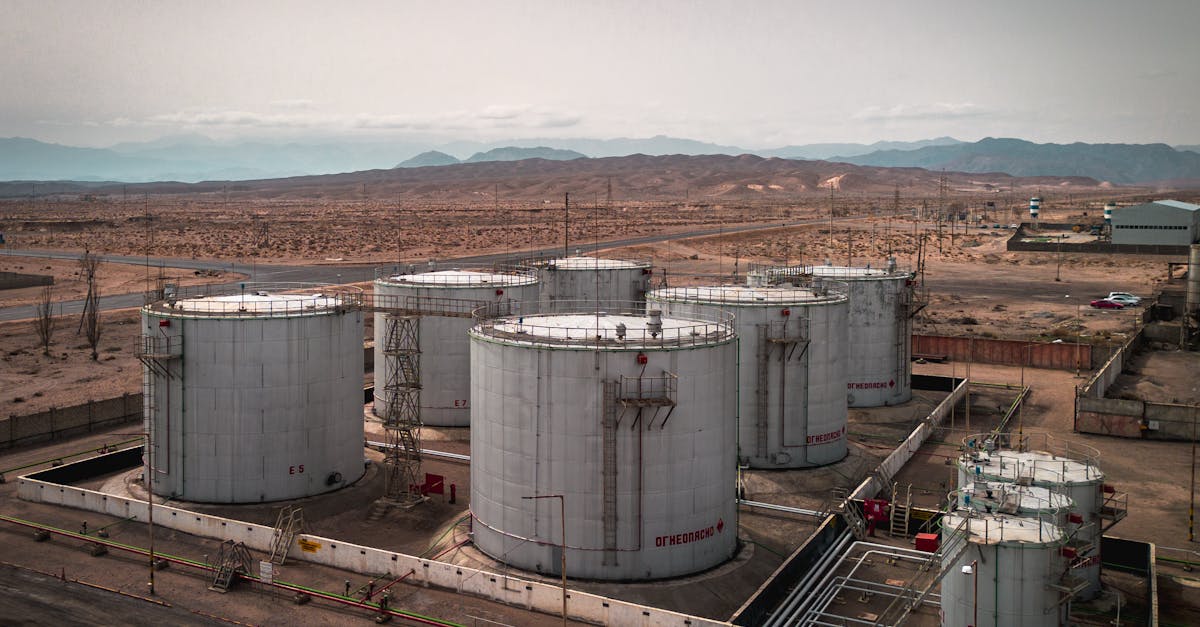
The talks covered three linked elements: a petroleum storage depot at Damerjog Industrial Park with a capacity of 300,000 cubic metres, the possible construction of an oil refinery, and the cross-border corridor itself, CapitalEthiopia reports.
Why it matters
South Sudan's oil exports are the backbone of its government revenue, and those exports currently depend on pipelines that run through neighbouring Sudan to Port Sudan. That route has been repeatedly disrupted by the conflict in Sudan, which has forced shutdowns and added pressure to an already fragile economy.
A second outlet through Ethiopia and Djibouti would give the landlocked producer more flexibility in reaching international markets and reduce its exposure to a single transit country. For Djibouti, the proposal fits a wider push to expand its petroleum storage, processing and transport capacity and to cement its position as a regional energy hub.
A long route over high ground
According to the project proposal described by CapitalEthiopia, the corridor would run roughly 1,550 kilometres from South Sudan through Ethiopia to Djibouti, crossing terrain that reaches a maximum elevation of 2,400 metres. The planners cite Djibouti's existing port facilities and the supporting infrastructure already present along the way — roads and electricity among them — as reasons for choosing this alignment.
The Damerjog Liquid Bulk Port would act as the main maritime gateway, allowing South Sudanese crude to be shipped onward to international buyers through Djibouti.
The idea itself is not new. After gaining independence in 2011, South Sudan identified Djibouti as a possible alternative export destination and the two countries later signed a memorandum of understanding for a crude oil pipeline running through Ethiopia. Progress on that agreement has been limited, CapitalEthiopia reports.
Djibouti's growing petroleum footprint
The Damerjog Industrial Park, where the proposed 300,000-cubic-metre depot would sit, has already drawn investment in petroleum infrastructure. Dangote Industries has developed a 375,000-cubic-metre storage terminal for petroleum products there. That facility is part of a $660 million pipeline project linking Damerjog with Dewele in eastern Ethiopia, which is expected to cut fuel transport times between the two countries substantially.
PetroChina International (Middle East) was set up in 2002 and is wholly owned by PetroChina, itself part of China National Petroleum Corporation (CNPC). The subsidiary works across the Middle East, the Red Sea region and East Africa and trades more than 140 grades of crude oil. CNPC is already a significant player in South Sudan's petroleum sector, holding a leading role in the Dar Petroleum Operating Company joint venture, which runs oil Blocks 3 and 7.
CapitalEthiopia's report does not indicate whether any agreement, funding commitment or timeline was reached at the meeting. What to watch is whether the discussions move from proposal to formal study or signed arrangement.